How CSconnected helped turn South Wales into a global semiconductor hub
The CSconnected UKRI Strength in Places Fund programme has come to a close after five years. Led by Cardiff University, the £43 million programme was set up to connect the compound semiconductor expertise South Wales had built up over decades, bringing universities, industry and government together to compete on an international stage. Cardiff University has published a full story looking back on what it achieved.
The economic figures show how far the cluster has come. In 2025 it supported 3,140 jobs across Wales, up from 2,085 in 2020, and contributed £436 million to the Welsh economy, more than double the £172 million recorded at the start. Cluster companies generated £531 million in sales, with £480 million of that coming from exports.
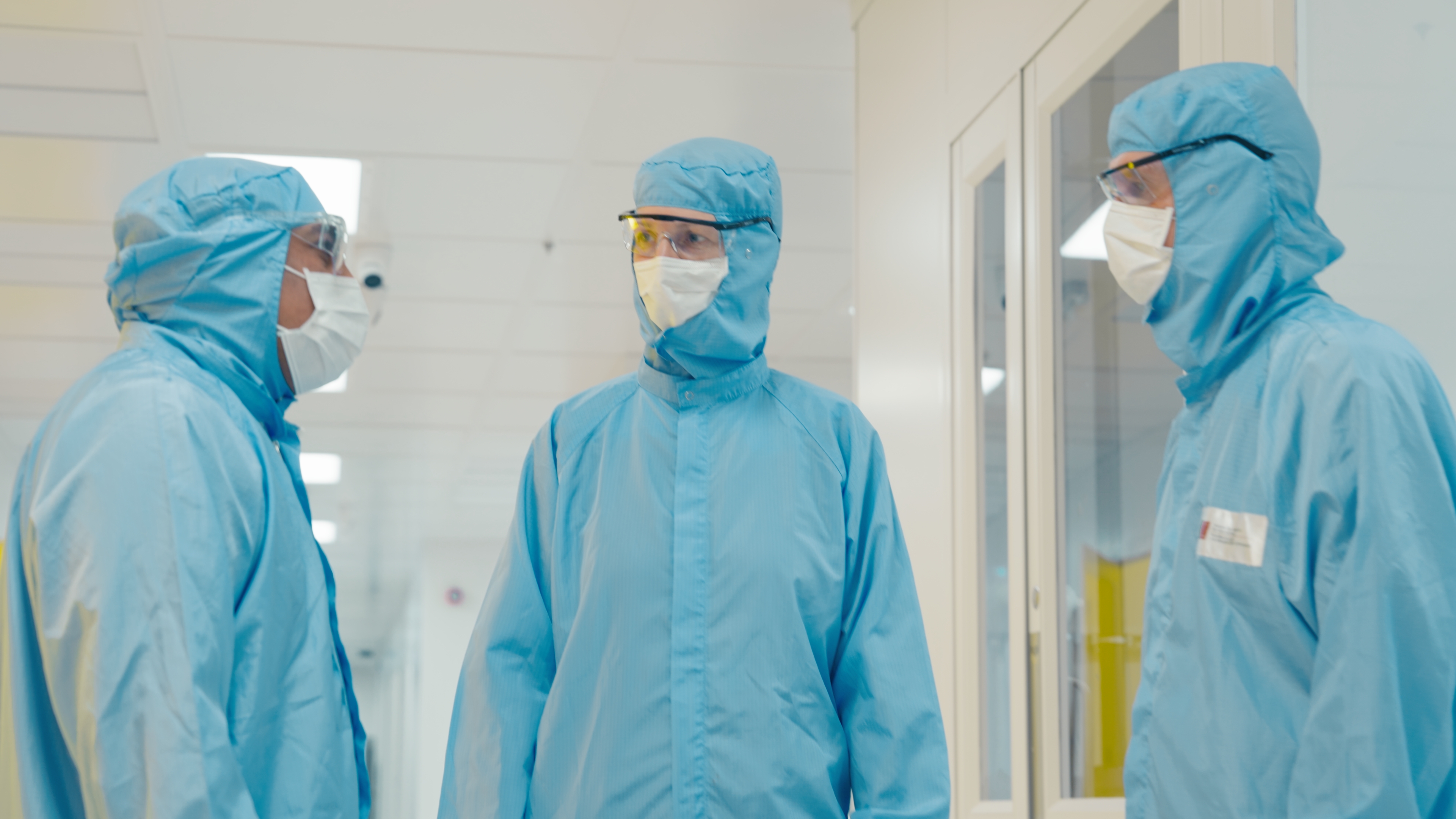
ICS played a big part in the programme. The 1,500m² cleanroom at the Translational Research Hub, which opened in 2023, allowed the Institute to scale up from 150mm to 200mm wafers. Working with IQE, the team developed a full fabrication process for 200mm VCSEL wafers, and IQE went on to announce the world's first 200mm VCSEL epiwafer. The programme also led to 92 Cardiff University publications and nine CPD courses in areas such as cleanroom practice, etching and wire bonding.
"Partner companies manufacture in our facility, and it enables entrepreneurs and start-up companies to try new ideas quickly without having to first develop the equivalent of our facility, equipment and world leading semiconductor manufacturing expertise."
Professor Peter Smowton, Managing Director, Institute for Compound Semiconductors
The funding may have ended, but CSconnected carries on as a dedicated organisation. Its next targets are £1 billion in cluster revenue and a skilled workforce of 6,000 people by 2030.